
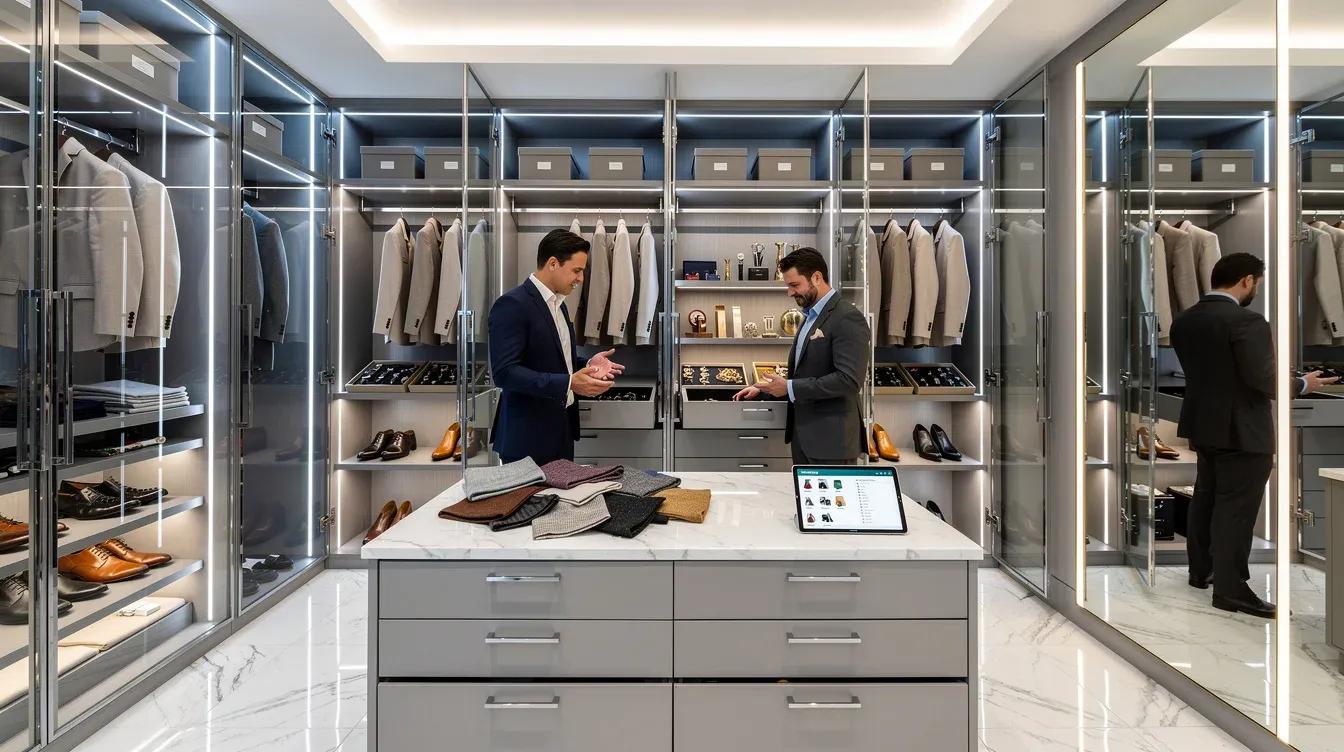
Dubai’s luxury real estate demands wardrobes that match its sophistication-yet many homeowners invest in pieces that fail within months due to heat, humidity, and space constraints unique to the emirate.
Luxury wardrobes in Dubai require more than aesthetic appeal; they demand climate-smart design, compliance with building regulations, and partnerships with vendors who understand local requirements.
This guide walks you through essential decisions that protect your investment and ensure your wardrobe performs beautifully for years to come.
Getting Your Wardrobe Right From the Start
Dubai’s extreme heat and humidity demand a fundamentally different approach to wardrobe design than what works in temperate climates. Most luxury homeowners prioritize aesthetics over performance, selecting materials and finishes that look stunning in showrooms but deteriorate rapidly when exposed to high temperatures and humidity fluctuations. Your designer must possess hands-on experience with how specific materials behave in Dubai’s environment-how high-gloss lacquer finishes lose their sheen within two years, how certain wood veneers warp under thermal stress, and how standard hinges fail prematurely when subjected to constant heat cycles. This difference between a wardrobe that functions flawlessly for a decade and one that requires costly repairs after 18 months stems from material selection and climate expertise. Equally critical is understanding your apartment’s physical constraints. Dubai’s luxury developments impose strict limitations on modifications, weight distribution, and installation methods. A designer unfamiliar with Dubai’s building regulations and concierge approval processes will propose solutions that cannot be implemented, wasting months and creating frustration.
Materials That Survive Dubai’s Climate
You should invest exclusively in materials engineered for extreme thermal and humidity conditions. European-grade plywood with marine-quality veneers outperforms standard alternatives, resisting warping and delamination where lesser materials fail. Soft-close mechanisms must feature heavy-duty dampers rated for high-temperature environments; standard hinges simply cannot handle the thermal expansion and contraction cycles unique to Dubai. Powder-coated aluminum frames remain superior to stainless steel for internal components, offering better corrosion resistance to the salt-laden air that penetrates even inland properties. You should avoid laminate finishes on horizontal surfaces where moisture accumulates, as they bubble and separate within months. High-quality lacquer finishes designed specifically for tropical climates-typically sourced from German or Italian manufacturers-provide durability that standard finishes cannot match. Expect to invest 15% to 25% more in materials than you would elsewhere; this premium directly translates to longevity and performance in Dubai’s environment.
Professional Installation and Long-Term Support
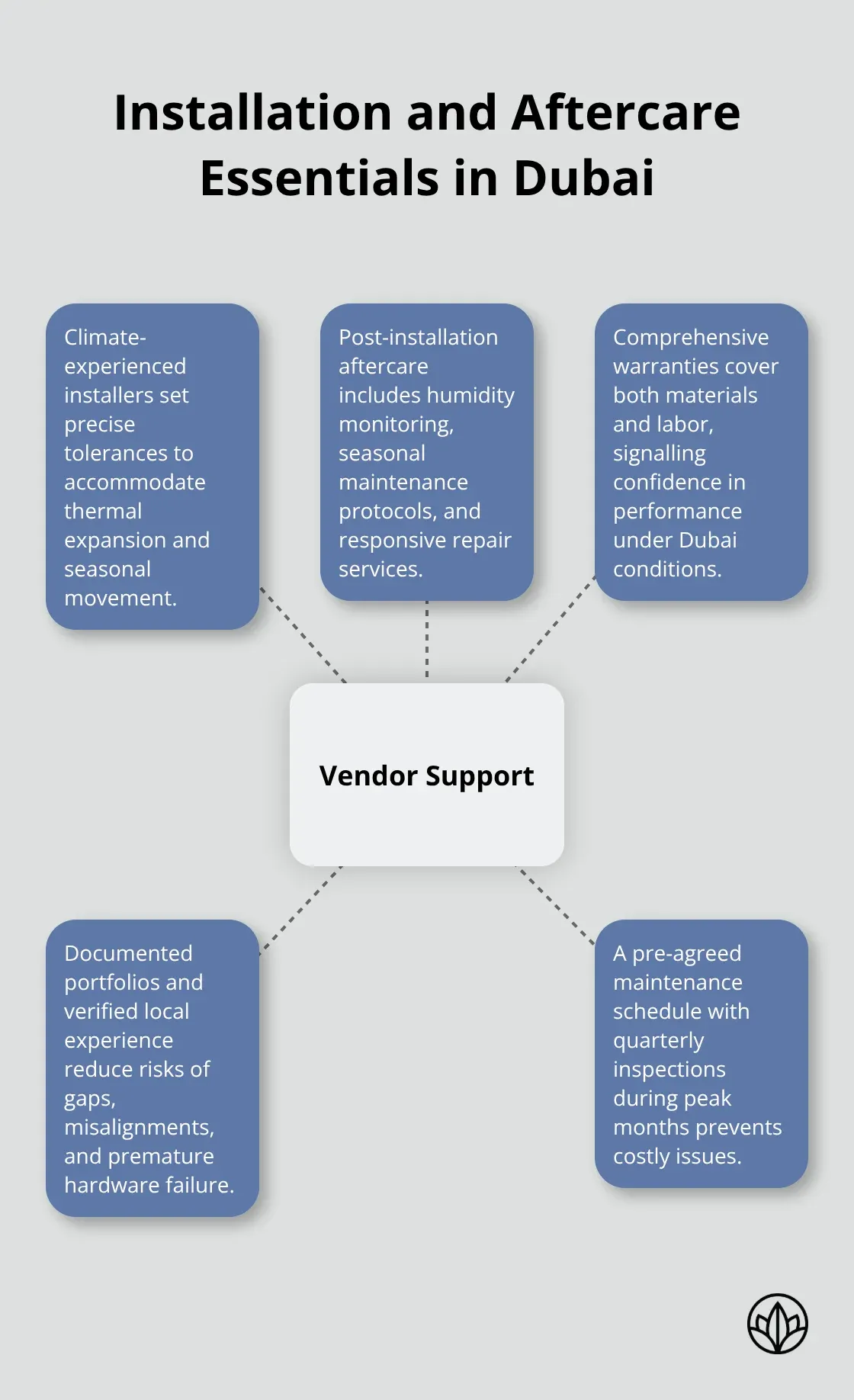
Installation quality determines whether your wardrobe investment survives Dubai’s conditions. Rushed installations by contractors unfamiliar with climate-specific requirements create gaps and misalignments that allow humidity penetration and accelerate material degradation. You should insist on installation teams with verified experience in Dubai’s climate, backed by documented project portfolios. The installer must account for thermal expansion during installation, leaving precise tolerances that accommodate seasonal movement. Post-installation support proves equally essential; your vendor should provide professional aftercare including humidity monitoring, seasonal maintenance protocols, and responsive repair services. A comprehensive warranty covering both materials and labor provides genuine protection, while shorter warranties indicate the vendor lacks confidence in their products’ performance. You should establish a maintenance schedule with your installer before completion-quarterly inspections during Dubai’s most demanding months catch potential issues before they become expensive problems.
Why Designer Expertise Matters in Dubai
Your designer should have established relationships with local authorities and building management companies, enabling seamless approvals rather than repeated rejections and redesigns. This local knowledge separates vendors who understand Dubai’s unique regulatory landscape from those who apply generic approaches to a market with specific demands. The right partnership transforms your wardrobe from a potential source of frustration into a seamless investment that enhances your home’s functionality and value. With the right materials, installation standards, and vendor support in place, you can now explore the specific regulatory and cultural considerations that shape wardrobe decisions in Dubai’s luxury market.
What Mistakes Cost Luxury Wardrobe Owners in Dubai
Building Regulations and Approval Failures
Dubai’s premium developments enforce building regulations with strict authority over structural modifications, weight-bearing capacity, and installation methods. Your apartment’s management company holds absolute power to reject designs that violate these constraints, yet most luxury homeowners discover these limitations only after commissioning work that fails approval. Dubai Municipality and individual developer HOAs impose fire safety codes, electrical load limits, and ventilation requirements that differ fundamentally from international standards. A wardrobe installed without proper approval creates liability for you and your property, potentially complicating future sales or refinancing. Vendors unfamiliar with Dubai’s approval ecosystem submit documentation that fails on first submission, requiring weeks of resubmission cycles that delay your project significantly.
Your vendor must possess written confirmation that their proposed design meets your building’s specific requirements before fabrication begins. This verification prevents costly redesigns and installation delays that plague homeowners working with international designers or local contractors lacking regulatory expertise. Established vendors maintain relationships with major development management companies across Dubai and Sharjah, enabling seamless approvals rather than repeated rejections.
Customization and Space Constraints
Customization failures stem from homeowners assuming their wardrobe needs match standard configurations offered by mass-market manufacturers. Dubai’s apartments feature non-standard ceiling heights, irregular wall dimensions, and unique electrical placements that demand precision-built solutions rather than modular approximations. A one-size-fits-all approach fails to account for your specific spatial realities, resulting in wardrobes that either waste valuable space or fail to fit properly upon installation.
Your designer must visit your apartment before any contract signature, measuring your space precisely and assessing climate exposure. This site assessment confirms whether the vendor can execute your vision within Dubai’s regulatory and environmental constraints. Skipping this step invites expensive modifications after installation or, worse, complete removal and reinstallation.
Warranty and Local Service Capacity
Selecting a vendor without verifying their warranty coverage and local service capacity leaves you stranded when thermal stress causes hardware failure or finishes deteriorate unexpectedly. Standard international warranties prove worthless in Dubai’s climate, often voiding coverage for heat and humidity damage that vendors classify as environmental rather than manufacturing defects. A genuine warranty covering both materials and labor in Dubai’s specific conditions signals vendor confidence and protects your investment against performance failures endemic to unsuitable products.
Vendors without local service infrastructure force you to arrange repairs through third parties, creating delays and additional costs that compound over months. This absence of support transforms a minor issue into a prolonged frustration. Your final vendor selection must include verification of their local service team and their ability to respond quickly when problems arise.
With these pitfalls identified, understanding Dubai’s specific environmental and regulatory landscape becomes essential to protecting your wardrobe investment and ensuring it performs as intended.
Climate-Smart Materials and Regulatory Navigation
Securing Approvals Before Fabrication Begins
Dubai’s regulatory framework requires you to submit your wardrobe design to building management and Dubai Municipality before fabrication starts, with approval timelines ranging from two to six weeks depending on your development’s protocols. Most luxury developments demand structural engineering certifications for wall-mounted installations, fire safety documentation confirming materials meet Emirates Authority for Standardization and Metrology standards, and electrical load assessments if your wardrobe includes powered components.
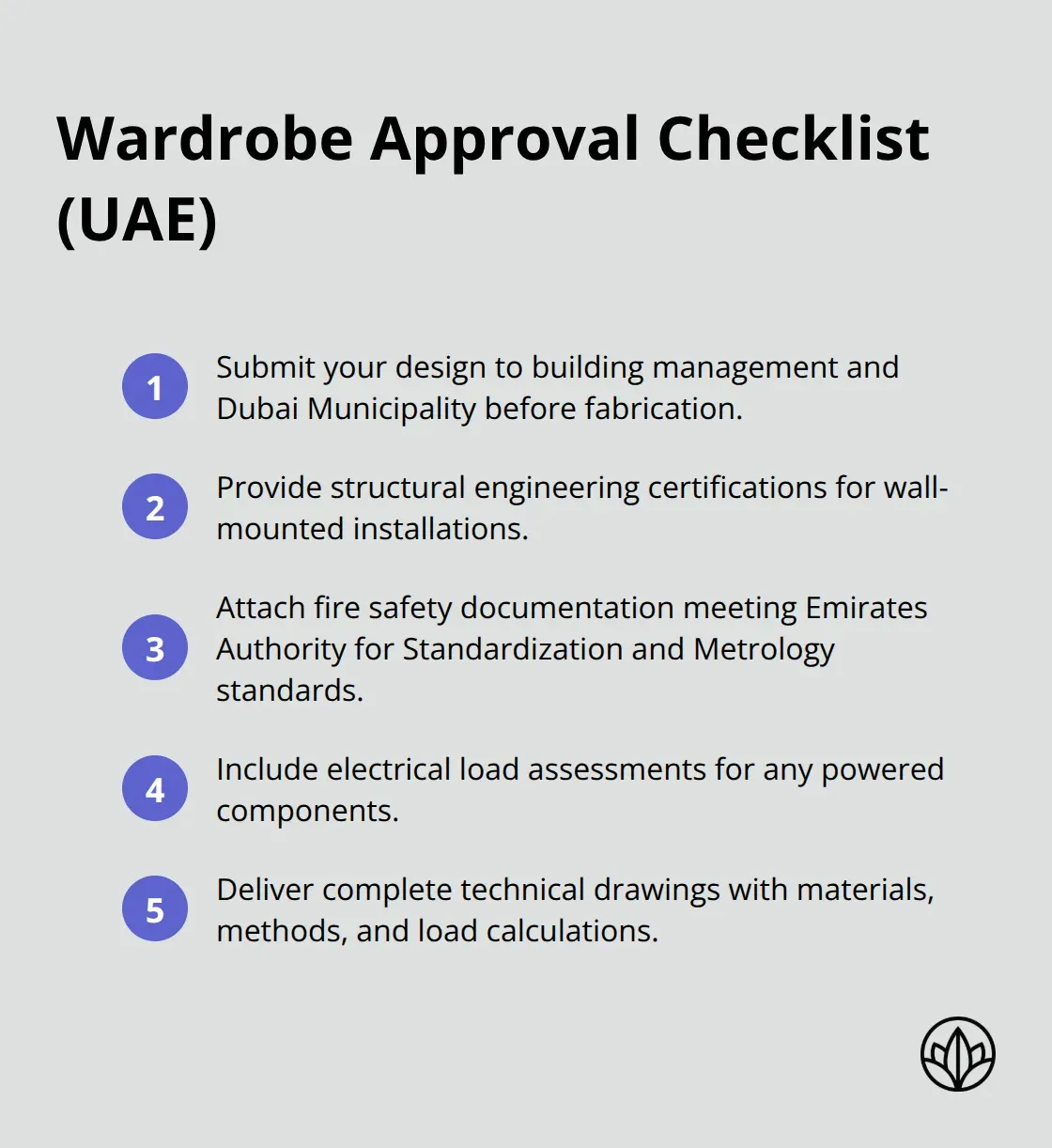
Your vendor must submit complete technical drawings with material specifications, installation methodology, and load calculations-generic documentation fails immediately. Concierge teams in developments like Emirates Hills, Palm Jumeirah, and Downtown Dubai maintain specific approval checklists that differ substantially from standard building codes, and vendors unfamiliar with individual property requirements waste weeks resubmitting documentation. The approval process accelerates dramatically when your vendor maintains established relationships with these concierge departments, possessing insider knowledge of which materials receive expedited approval and which design approaches trigger automatic rejection.
Material Selection and Fire Safety Compliance
Material selection directly influences approval likelihood; developments increasingly restrict certain finishes due to fire safety classifications, pushing designers toward marine-grade plywood with Class A fire ratings rather than standard veneer alternatives. This regulatory reality eliminates generic wardrobe solutions entirely-your vendor must assess your specific building’s requirements before proposing any design direction. Fire safety standards shape every material decision you make, from veneer selection to hardware specifications.
Engineering for Extreme Heat and Humidity
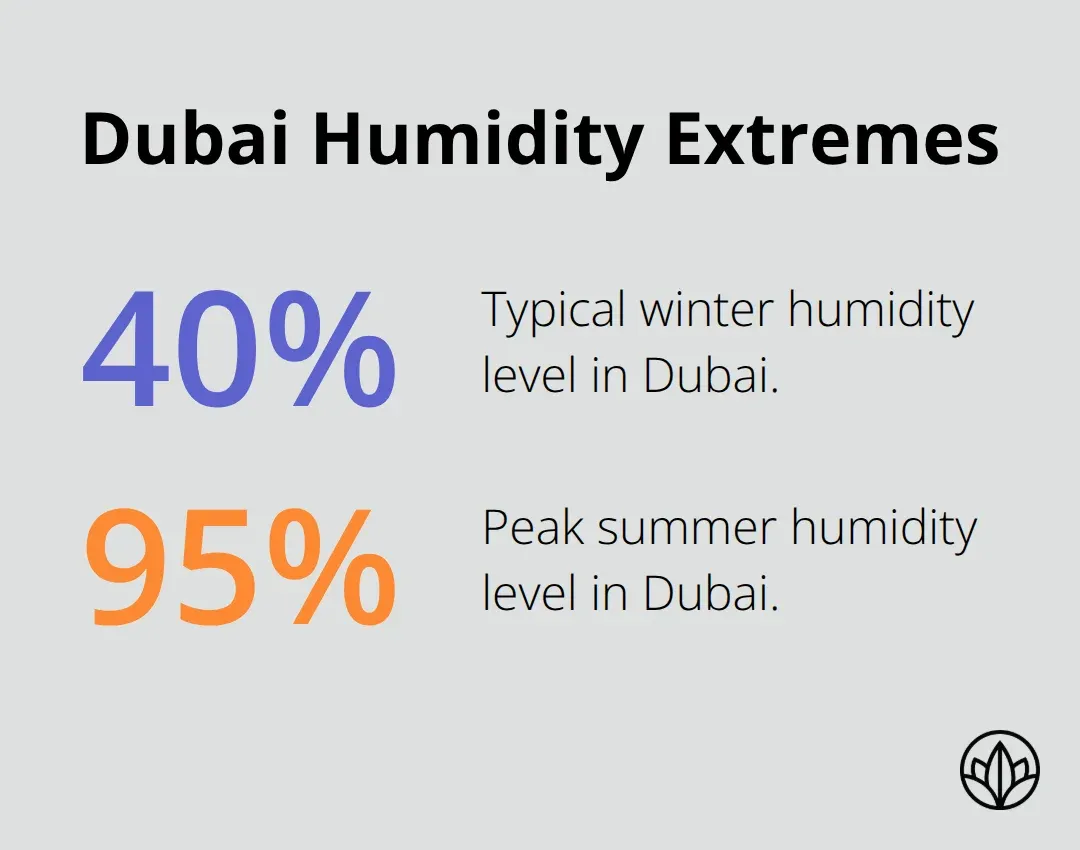
Dubai’s humidity levels fluctuate between 40% during winter months and 95% during summer, creating thermal stress that destroys inferior materials within months. German and Italian manufacturers dominate the premium wardrobe market precisely because their engineering accounts for these extreme cycles; their soft-close mechanisms use heavy-duty dampers rated to 80 degrees Celsius, while standard hinges fail at 65 degrees.
Aluminum components must feature marine-grade powder coating to resist the salt-laden air that penetrates even properties kilometers inland, whereas stainless steel internal hardware corrodes visibly within two years despite appearing corrosion-resistant initially. Lacquer finishes require tropical-climate formulations, applied in climate-controlled environments; standard finishes bubble and separate when exposed to humidity swings exceeding 40% daily.
Design Aesthetics and Functional Preferences
Cultural preferences in Dubai’s luxury market increasingly favor minimalist aesthetics with integrated lighting and smart storage solutions, reflecting both contemporary design trends and practical responses to space constraints in high-rise developments. Warm neutrals and soft whites dominate successful installations, avoiding high-contrast designs that appear dated within three years; this preference stems from Dubai’s consistent aesthetic evolution rather than temporary trends. Your designer must understand that Dubai’s luxury homeowners prioritize functionality and longevity over fashion-forward statements, investing in timeless designs that accommodate lifestyle changes across five to ten year ownership periods.
Final Thoughts
Your luxury wardrobes Dubai investment succeeds when you prioritize climate performance, regulatory compliance, and vendor expertise over aesthetic trends alone. Working with designers who understand Dubai’s extreme heat and humidity, selecting materials engineered for thermal stress, securing approvals before fabrication, and establishing long-term service relationships form the foundation of wardrobes that perform beautifully for a decade or longer. Ignoring building regulations invites rejection and costly redesigns, overlooking customization wastes valuable space, and choosing vendors without verified warranties leaves you vulnerable when materials fail under Dubai’s demanding conditions.
Luxury wardrobe solutions in Dubai demand customization tailored to your specific apartment, climate exposure, and regulatory environment. Generic approaches fail consistently in this market, regardless of how sophisticated they appear in showrooms elsewhere. Bespoke design accounts for your building’s unique approval requirements, your space’s precise dimensions, and the material specifications that survive Dubai’s humidity and thermal cycles.
Your next step is straightforward: schedule a free consultation with our design team to assess your space, discuss your vision, and confirm how we navigate Dubai’s regulatory landscape on your behalf. We’ll verify your building’s specific requirements, recommend materials proven to perform in your climate zone, and establish the approval timeline before any commitment. This consultation costs nothing and obligates you to nothing-it simply ensures you possess the information needed to make confident decisions about your wardrobe investment.
Cordoba Interior Factory | Premium Bespoke Joinery. Serving Dubai & Sharjah. Custom kitchens, wardrobes, and luxury wall paneling crafted to perfection with no minimum order limit. Request a Free Quote Today!